
The 1950s Housewife vs. Promiscuous:
Bedroom Design & Behaviour
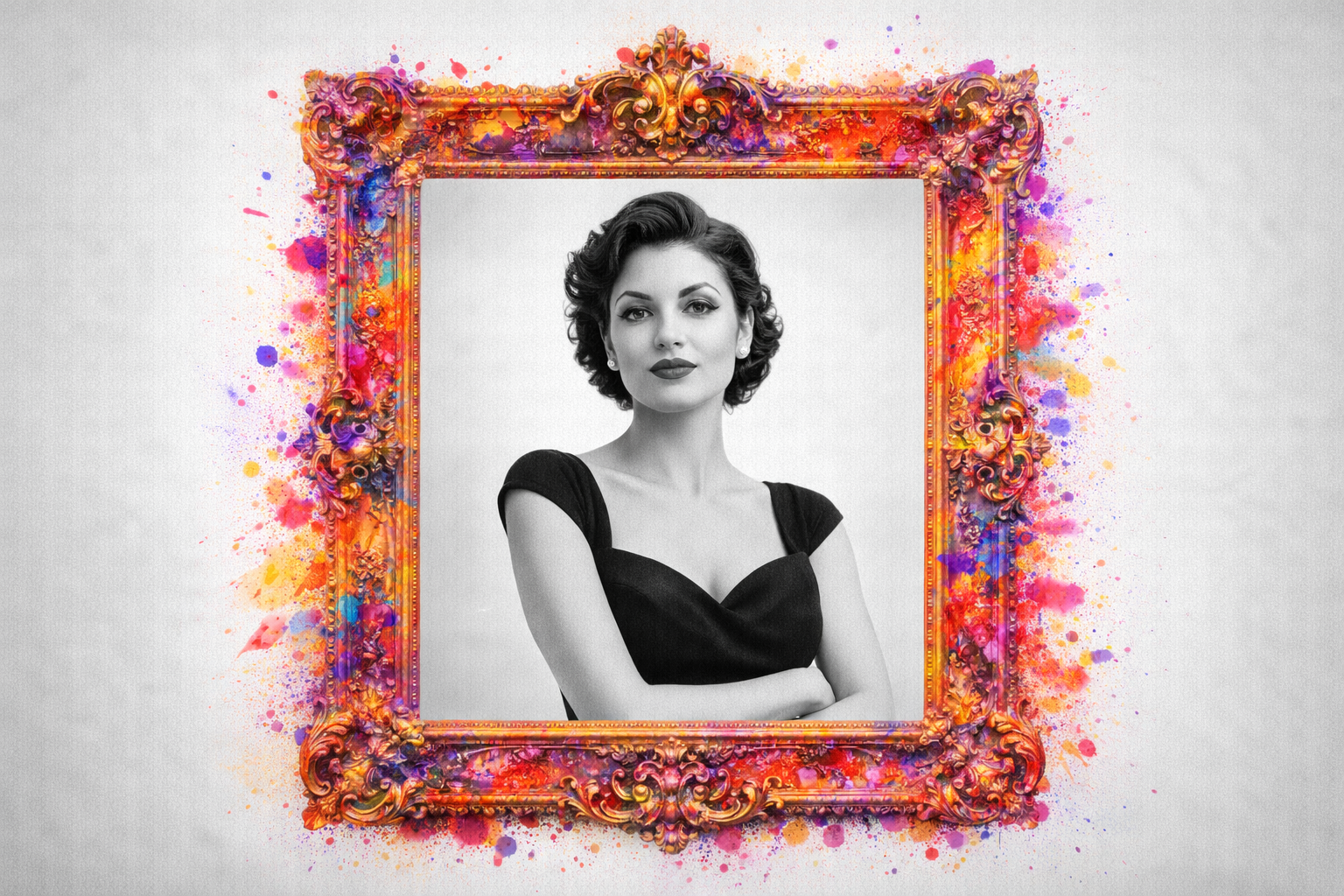
If you have spent any time browsing our site, you have likely locked eyes with the monochrome icons of the 1950s staring back at you. Their presence isn’t a random aesthetic choice or a nod to “vintage charm.” As a London College of Fashion graduate, I use these images because they represent the “moral architecture” our brand was built to dismantle.
The Era of Containment
In the 1950s, fashion was not just clothing; it was a system of control. The silhouettes were highly structured, relying on corsets, girdles, and crinolines to create a specific, idealized form. While these shapes emphasized breasts and hips, they did so in a way that left the female body contained and immobile.
The message of 1950s fashion was clear: “Your body is desirable, but not yours”. Sexuality was central to the culture but remained institutionally contained within marriage and the domestic sphere. Femininity was a performance of respectability and presentation rather than an expression of self. Women were expected to be “on display” even in their own homes, where housework itself became a performance of femininity.
The Unfathomable Name
To the women in these photographs, a brand name like Promiscuous would have been more than just provocative; it would have been unfathomable. In their era, the word was a social death sentence – a weaponized term used to gatekeep freedom and enforce conformity. By placing these vintage images alongside our branding, we create a staggering juxtaposition between a generation defined by surveillance and a generation defined by spontaneity.
The Abrupt Pivot
The shift between 1950 and 1960 remains one of the most abrupt cultural pivots in modern history. It wasn’t a gentle evolution; it was a wholesale rejection of 1950s femininity. The arrival of the birth control pill and the rise of youth culture allowed women to separate sex from marriage and choose comfort over “architectural underwear”.
We traded the maternal, controlled “sexy” of the ’50s for a young, playful, and autonomous “sexy” in the ’60s. Fashion became less prescriptive and less tied to marital status.
The Unfinished Revolution
However, while our wardrobes changed in a single decade, our societal attitudes have lagged behind for over half a century. We may have escaped the physical corsets, but we are still wearing the invisible “architectural underwear” of outdated labels. In modern society, a double standard still persists where men with multiple partners are celebrated as ‘studs’ while women are branded ‘promiscuous’ – a polite mask for much nastier slurs.
At Promiscuous Bedding, we believe there is no place for such bias in a world of equal sexual freedom. We use these 1950s icons to represent how far we have managed to come and to remind us of the work still to be done. We have No Loyalty to Conformity. We are reclaiming the word, reverting it to its original 16th-century meaning – undiscriminating – and inviting you to treat your bed as the last unexplored canvas for your own art, adventure, and autonomy.